
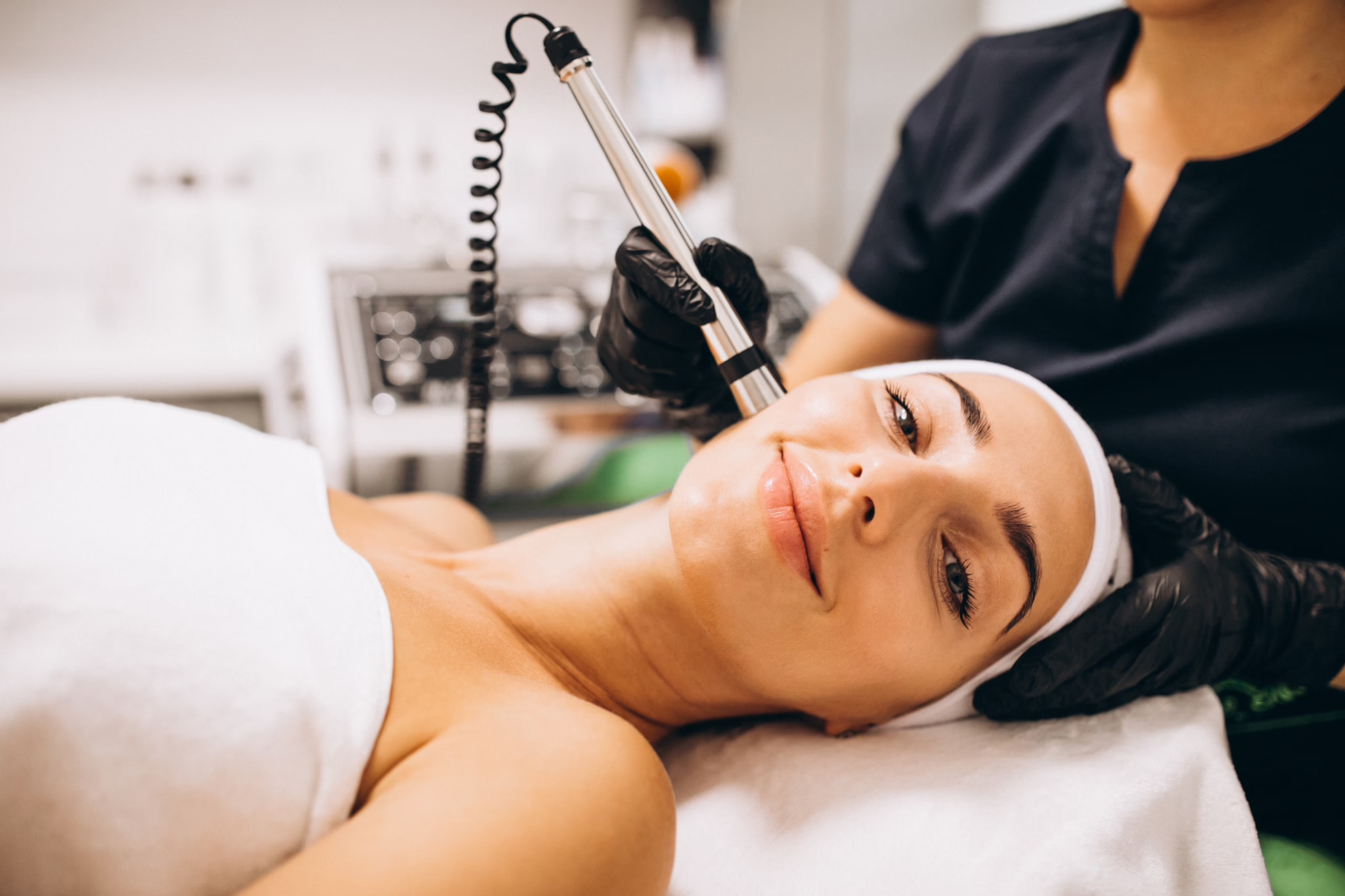
Why More Patients Are Choosing Regenerative Aesthetic Treatments
The Growing Shift Toward Natural Collagen Stimulation and Long-Term Skin Health
The world of aesthetic medicine is evolving. While traditional cosmetic procedures often focused on correcting visible signs of aging, many patients today are looking for treatments that work with the body’s natural biology to improve skin health from within.
This shift has led to the rapid rise of regenerative aesthetic treatments, a category of procedures designed to stimulate the body’s own healing and collagen production processes. Instead of simply adding volume or temporarily masking wrinkles, regenerative treatments focus on rebuilding the skin’s natural structure.
For patients seeking subtle, natural-looking results and long-term improvements in skin quality, regenerative aesthetics offers an exciting new approach to facial rejuvenation.
What Are Regenerative Aesthetic Treatments?
Regenerative aesthetic treatments are procedures that stimulate the body’s natural ability to repair, rebuild, and regenerate tissue.
Rather than relying solely on synthetic fillers or temporary solutions, these treatments activate biological processes that improve skin health over time.
Many regenerative treatments focus on increasing the production of:
- Collagen
- Elastin
- Growth factors
- Cellular repair processes
These elements are essential for maintaining firm, resilient, and youthful-looking skin.
Because regenerative treatments rely on the body’s natural healing response, improvements often appear gradually and continue developing over several months.
Why Collagen Is the Key to Youthful Skin
Collagen is the most abundant protein in the skin and serves as the structural framework that keeps skin firm and smooth.
Beginning in the mid-20s, collagen production naturally begins to decline. Over time, this reduction can lead to:
- Wrinkles and fine lines
- Skin laxity
- Loss of facial volume
- Thinner, less resilient skin
Regenerative treatments focus on rebuilding collagen levels, helping restore the skin’s internal support structure.
By stimulating new collagen formation, these procedures can improve skin quality in a way that looks natural and long-lasting.
Popular Regenerative Aesthetic Treatments
Several advanced treatments are now available that support regenerative skin rejuvenation. These procedures often work by activating the body’s own repair mechanisms.

Biostimulatory Injectables
Biostimulatory injectables are designed to stimulate collagen production rather than simply filling wrinkles.
These treatments help rebuild facial structure over time by encouraging the body to generate new collagen fibers. As collagen develops, the skin gradually becomes firmer and fuller.
Patients often choose this option when they want long-lasting facial rejuvenation that develops naturally.
PRF (Platelet-Rich Fibrin)
PRF is a treatment derived from a patient’s own blood and is rich in platelets, growth factors, and regenerative cells.
Once prepared, the PRF is injected into targeted areas or applied during skin treatments to stimulate healing and tissue regeneration.
PRF is commonly used to improve:
- Skin texture
- Under-eye concerns
- Fine lines
- Skin healing after other procedures
Because it uses the patient’s own biological material, PRF supports natural tissue regeneration and improved skin vitality.
Radiofrequency Microneedling
Radiofrequency microneedling treatments combine tiny needles with heat energy to stimulate collagen production deep within the skin.
This approach helps remodel skin tissue and improve concerns such as:
- Acne scars
- Enlarged pores
- Skin laxity
- Uneven skin texture
By stimulating collagen production in deeper layers of the skin, these treatments promote long-term skin improvement.
Why Patients Prefer Regenerative Treatments
One reason regenerative aesthetics is gaining popularity is the desire for subtle, natural-looking results.
Instead of dramatic or immediate changes, regenerative treatments allow improvements to develop gradually as the body produces new collagen and tissue.
Patients often appreciate that these treatments can:
- Improve overall skin health
- Provide natural-looking rejuvenation
- Deliver longer-lasting results
- Support preventative skincare strategies
For many individuals, this approach feels more aligned with maintaining skin health rather than simply correcting aging after it occurs.
A Preventive Approach to Skin Aging
Another reason regenerative treatments are growing in popularity is their ability to support preventative aesthetic care.
Many patients in their late 20s and 30s are choosing treatments that maintain collagen production before significant signs of aging appear.
By supporting the skin’s natural structure early on, patients may be able to slow visible aging and maintain healthier skin over time.
This preventative strategy has become an important part of modern aesthetic care.
Combining Regenerative Treatments for Better Results
In many cases, providers combine regenerative treatments to achieve more comprehensive skin rejuvenation.
For example, a treatment plan may include a collagen-stimulating injectable alongside procedures that improve skin texture or tone.
By addressing multiple layers of the skin, combination approaches can enhance overall results and support long-term skin health.
This strategy reflects a broader shift toward holistic skin rejuvenation rather than single-treatment solutions.
The Future of Aesthetic Medicine
As research and technology continue to evolve, regenerative aesthetics is expected to play an increasingly important role in aesthetic medicine.
These treatments represent a new generation of procedures focused on biological skin renewal rather than temporary cosmetic changes.
For patients who want to improve their appearance while supporting their skin’s natural health and resilience, regenerative treatments offer a powerful and modern approach.
FAQ
What are regenerative aesthetic treatments?
Regenerative aesthetic treatments stimulate the body’s natural healing processes to improve skin quality, increase collagen production, and restore a more youthful appearance.
Are regenerative treatments better than traditional fillers?
Both approaches can be effective, but regenerative treatments focus on rebuilding collagen and improving long-term skin health, while traditional fillers primarily provide immediate volume.
How long do regenerative treatment results last?
Results vary depending on the treatment and individual factors, but collagen-stimulating procedures often produce longer-lasting improvements compared to temporary cosmetic treatments.
Are regenerative treatments safe?
Many regenerative treatments are considered safe when performed by trained professionals, especially those that use the body’s own biological materials.
Who is a good candidate for regenerative aesthetic treatments?
Individuals interested in natural-looking rejuvenation, improved skin quality, and preventative anti-aging care may benefit from regenerative treatments.