
Discover how exosomes and RF microneedling compare—and why combining them may unlock the most dramatic skin transformation yet.
Two of the most talked‑about treatments in regenerative aesthetics—exosome therapy and radiofrequency microneedling—often get pitted against each other in the search for the ultimate skin transformation. The truth is, they work on entirely different biological pathways, and choosing between them depends on what your skin needs most at this moment in time. This guide breaks down how each treatment functions on a cellular level, where each one outperforms its alternatives and why pairing them together can deliver compounded results that no single treatment can match on its own.
1. The Science Behind Exosomes: Cellular Communication on Demand
Exosomes are tiny extracellular vesicles—roughly 1/1000th the size of a cell—that carry growth factors, proteins, peptides and genetic signals between cells. When applied topically immediately after a skin treatment, they act as biological messengers, telling damaged or aging skin cells exactly how to repair themselves, regenerate damaged tissue and produce more collagen. Key benefits of exosome therapy include:
- Accelerated healing – exosomes dramatically shorten recovery time after resurfacing or microneedling treatments, reducing redness and downtime.
- Brighter, more uniform tone – they help fade pigmentation, smooth dullness and even out skin texture over the weeks following treatment.
- Powerful, standardized regeneration – unlike PRP or PRF, which rely on your own blood and vary in potency, exosomes are lab‑isolated and standardized for consistent results across every patient.
2. How RF Microneedling Works: Heat Plus Mechanical Stimulation
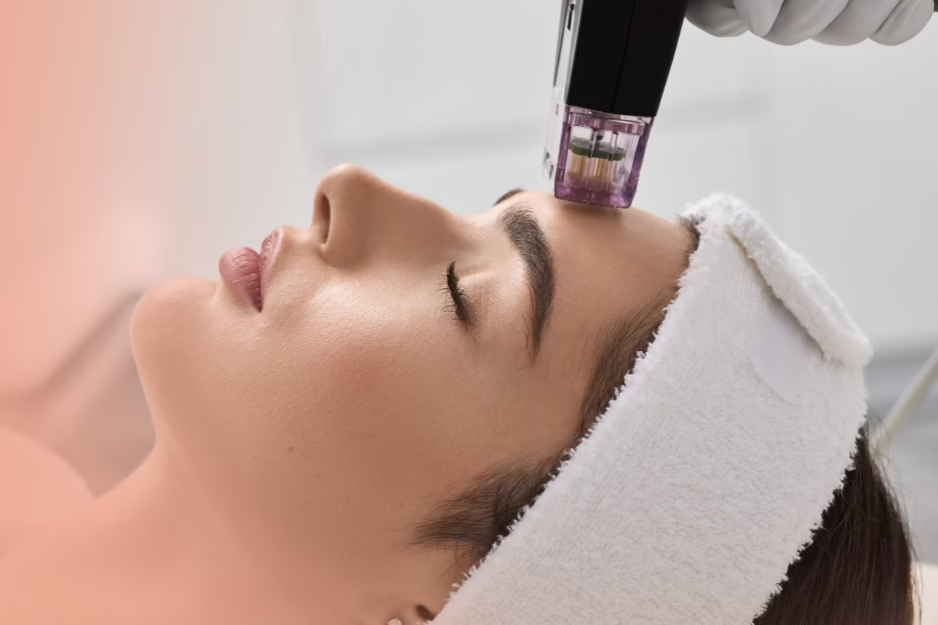
Radiofrequency microneedling—best exemplified by Morpheus8—delivers controlled thermal energy through fine, gold‑plated needles that penetrate the dermis and even the subdermal fat layer. The combined mechanical injury and precisely targeted heat trigger neocollagenesis, elastogenesis and meaningful structural tightening from within. RF microneedling excels at addressing concerns that surface‑level treatments simply cannot reach, including jowling, deep acne scars, submental laxity, crepey neck skin and stretch marks. Because the radiofrequency energy bypasses the pigmented epidermis entirely, it’s safe and effective for all Fitzpatrick skin types—including darker skin tones that are often poor candidates for traditional laser resurfacing.
3. Better Together: Why Combining Exosomes With RF Microneedling Wins
Used in isolation, each treatment is powerful—but the real transformation happens when they’re stacked together in a single appointment. RF microneedling creates thousands of microscopic channels in the skin and stimulates a controlled wound response. Exosomes applied immediately afterward seep deep into those channels and amplify cellular signaling exactly when your skin is most primed and receptive to absorption. The combined result:
- Faster recovery – redness, pinpoint scabbing and swelling resolve significantly sooner than with RF microneedling alone.
- Compounded collagen response – regenerative signaling continues actively for weeks beyond your treatment session.
- Visibly brighter, plumper skin – a true synergy effect that no surface‑level treatment can replicate on its own.
Learn more about how this protocol works at our practice on our exosome RF microneedling page.
4. Choosing What’s Right for Your Skin
If your primary concern is structural laxity, deep wrinkles or acne scarring, RF microneedling should anchor your treatment plan as the foundational therapy. If you’re focused on tone, brightness, post‑procedure healing or boosting overall radiance, exosomes may take the lead. For most patients ready to invest in a genuine transformation rather than a touch‑up, the combined protocol delivers the best long‑term value and most visible results. A consultation at Mirror Mirror Med Spa will help you map out the right approach based on your skin type, goals, timeline and budget.
Ready to Experience the Next Level of Skin Regeneration?
Book a consultation with our expert team to explore whether exosomes, RF microneedling or a combined protocol is the right fit for your skin. We’ll customize depth settings, biologic add‑ons and treatment intervals to match your unique goals and deliver the most transformative outcome possible.
FAQs
- Are exosomes the same as PRP or PRF?
- No. PRP and PRF are derived from your own blood and vary in potency between patients, while exosomes are lab‑isolated vesicles standardized for consistent dosing. Exosomes deliver more uniform, predictable results across patients.
- How many sessions of RF microneedling do I need?
- Most patients see optimal results from a series of three to four sessions spaced four to six weeks apart, with maintenance treatments recommended every 12 to 18 months to preserve results.
- Is the combined treatment safe for darker skin tones?
- Yes. Because RF energy bypasses the pigmented epidermis entirely and exosomes are non‑thermal, the combination is safe and effective across all Fitzpatrick skin types.
- What does recovery look like?
- Expect mild redness, pinpoint scabbing and minor swelling for 24 to 72 hours. Exosomes typically reduce downtime by 30 to 50 percent compared to RF microneedling alone.
- How soon will I see results?
- Initial brightness and texture improvements appear within one to two weeks. Deeper structural changes continue to develop progressively for three to six months as collagen remodels.