
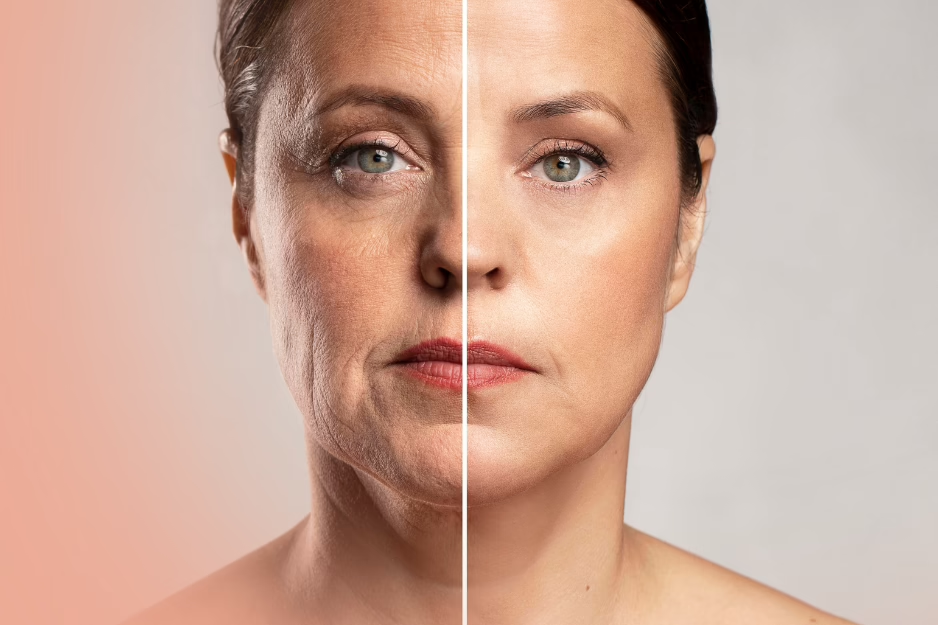
Three of the most popular non‑surgical skin tightening treatments compared—so you can pick the one that actually fits your skin and your goals.
Skin tightening has gone fully non‑surgical, and in 2026 the three most‑asked‑about technologies in Los Angeles are Forma, Morpheus8 and Ultherapy. Each device uses a fundamentally different mechanism of action, targets different layers of the skin and connective tissue, and delivers a meaningfully different patient experience in terms of comfort and recovery. This comprehensive breakdown walks through how each technology works, what concerns each one treats best, downtime expectations, results timelines and which option is the right match for your unique skin and lifestyle.
1. Forma: The Painless, No‑Downtime Lift
Forma uses bipolar radiofrequency to deliver controlled, uniform heat to the dermis layer of the skin. Internal sensors continuously monitor and maintain therapeutic temperature in real time, so your practitioner can hold the heat exactly where it’s needed—without burning, surface damage or significant patient discomfort. Forma is often called the “lunchtime lift” because of its remarkably zero‑downtime profile. It’s best suited for:
- Mild to moderate laxity – ideal for the jawline, neck, forehead and delicate periorbital region around the eyes.
- Maintenance care – ideal for patients in their 30s and 40s preserving collagen and preventing future laxity.
- Pre‑event glow – immediate visible smoothing and lifting with absolutely no redness, swelling or recovery time.
Read more on our Forma skin tightening page.
2. Morpheus8: The Deep Structural Remodel
Morpheus8 combines RF energy with fractional microneedling, delivering precisely controlled heat through ultra‑fine gold‑plated needles that reach up to 8mm beneath the surface—deep enough to remodel subdermal fat and the fibroseptal network supporting your skin’s structure. This makes Morpheus8 the most powerful non‑surgical option available for addressing genuine structural laxity, jowling, deep acne scarring and submental fullness. Treatment requires a series of three to four sessions and involves about three days of redness and pinpoint scabbing as the skin heals. Learn more on our Morpheus8 service page.
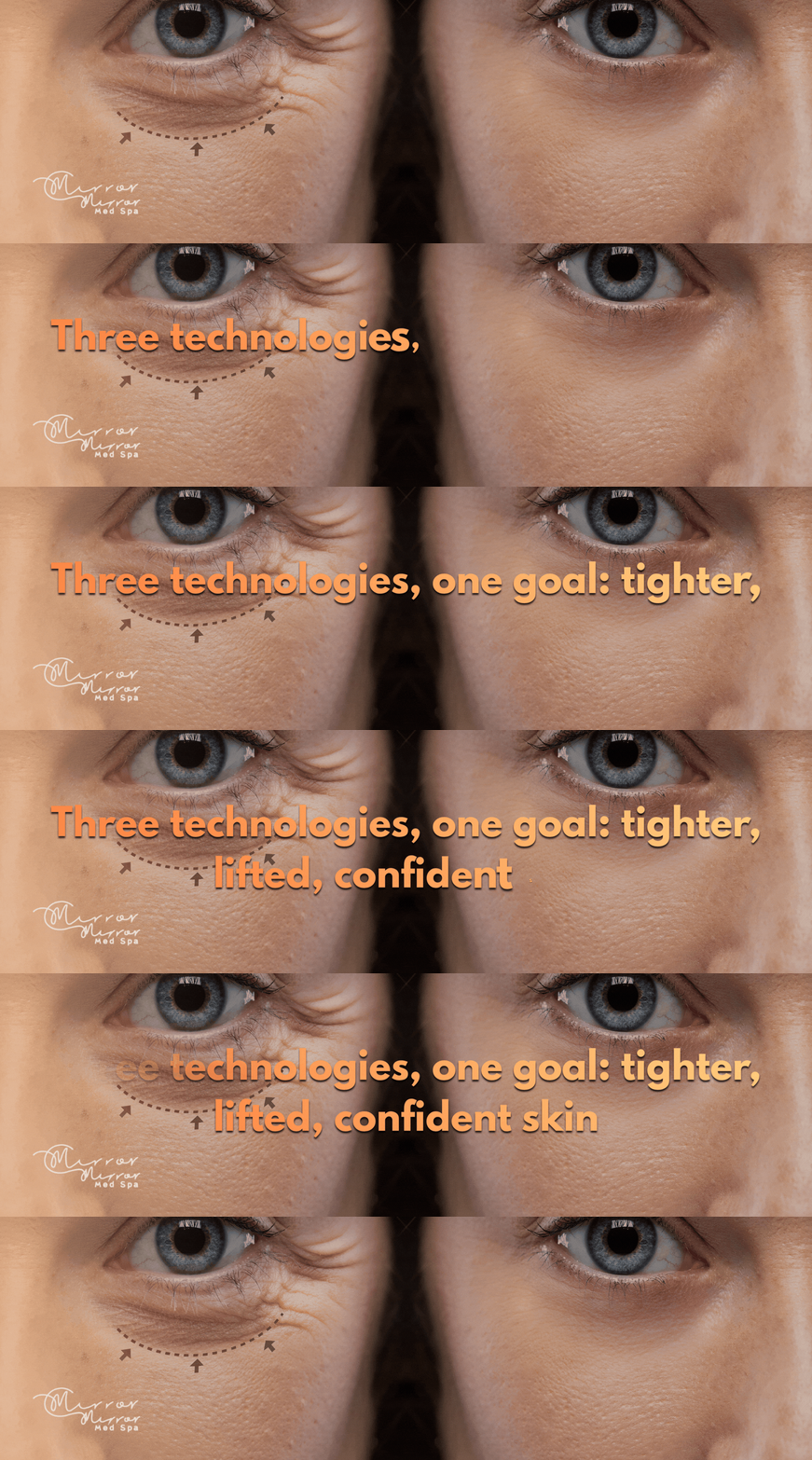
3. Ultherapy: Focused Ultrasound for Deep Lifting
Ultherapy uses microfocused ultrasound technology to deliver thermal energy at three preset depths—1.5mm, 3mm and 4.5mm—reaching the SMAS layer that traditional plastic surgeons address during a surgical facelift. Visible results develop gradually over a period of three to six months as new collagen forms naturally beneath the surface. Ultherapy is well suited for patients who want to address deeper foundational laxity without surgery and who are willing to invest more upfront, though many patients describe the treatment session itself as more uncomfortable than RF‑based alternatives like Forma or Morpheus8.
4. Which One Should You Choose?
If your primary focus is prevention, ongoing maintenance or a quick lift before a special event, Forma is the clear answer. If you have moderate to advanced laxity, deep textural concerns or visible scarring, Morpheus8 will deliver the most dramatic transformation possible without surgery. If your priority is foundational SMAS‑layer lifting and you don’t mind a more intense single session, Ultherapy is worth serious consideration. Many patients at Mirror Mirror Med Spa ultimately combine Forma for ongoing maintenance with Morpheus8 for major remodeling—a layered protocol that delivers compounding results over time.
Find the Right Tightening Treatment for Your Skin
Schedule a consultation and our expert team will carefully assess your skin’s laxity, structural needs and lifestyle goals to recommend the right protocol—whether that’s Forma, Morpheus8, Ultherapy or a strategic combination of treatments designed for your face.
FAQs
- Which treatment has the least downtime?
- Forma has zero downtime and no visible aftermath. Morpheus8 typically requires two to three days of redness and minor flaking, while Ultherapy may cause mild swelling for several days post‑treatment.
- How long do results last?
- Forma results last 6 to 12 months with regular maintenance sessions. Morpheus8 results last 12 to 24 months. Ultherapy results can last up to two years as collagen continues to remodel naturally.
- Is one safer for darker skin tones?
- Forma and Morpheus8 are both safe across all Fitzpatrick skin types because RF energy bypasses pigmented epidermis. Ultherapy is also considered safe for all skin tones.
- Can I combine these treatments?
- Yes. Many patients use Morpheus8 for structural remodeling and Forma for ongoing maintenance between sessions, building compounding results over time.
- Which one is most uncomfortable?
- Most patients rank Ultherapy as the most uncomfortable, Morpheus8 as moderate (with topical numbing applied beforehand), and Forma as essentially painless and even relaxing.